Gambling's hidden toll exploring the impact on mental health
The Psychology Behind Gambling Addiction
Gambling addiction is often shrouded in stigma and misunderstanding, which can make it difficult for individuals to seek help. At its core, gambling taps into the brain’s reward system, releasing dopamine and creating feelings of excitement and pleasure. This neurochemical reaction can lead to repeated behaviors as individuals chase the next high, often without recognizing the potential consequences. Over time, the thrill of winning can overshadow the reality of financial loss and emotional distress. For more info on staying informed about these issues, consider checking out reliable resources.

The psychological impact of gambling addiction extends beyond mere financial issues. Many individuals experience anxiety, depression, and feelings of isolation as their gambling behaviors escalate. The compulsive nature of gambling can lead to strained relationships with family and friends, exacerbating feelings of loneliness. It’s essential to recognize that these mental health challenges are not merely a byproduct of poor choices but can stem from deeper emotional and psychological issues.
The Consequences of Gambling on Mental Health
The consequences of gambling extend far beyond immediate financial losses. Individuals struggling with gambling addiction often face significant mental health challenges, including anxiety disorders, depression, and even suicidal thoughts. The constant stress and worry about finances can lead to chronic anxiety, affecting both physical and mental well-being. Furthermore, as individuals try to cover their gambling losses, they may resort to dishonest behaviors, which can further compound their mental health struggles.
Research indicates a strong correlation between gambling and mental health disorders. Those with pre-existing mental health conditions are more susceptible to developing gambling issues, creating a vicious cycle. Treatment for gambling addiction must, therefore, address both the gambling behavior and underlying mental health challenges to be effective. A holistic approach can provide the best chance for recovery and improved quality of life.
Recognizing Signs of Problem Gambling
Recognizing the signs of problem gambling is crucial for early intervention and treatment. Individuals may downplay their gambling habits, hiding them from friends and family, which can prevent them from seeking help. Signs of problem gambling include persistent preoccupation with gambling, increased tolerance, and using gambling as a means to escape from emotional distress. As these behaviors progress, individuals may find themselves lying about their gambling activities or borrowing money to fund their habits.
Understanding these signs is the first step toward addressing the issue. Friends and family can play a significant role in this process by being observant and supportive. Open discussions about gambling behaviors can help create an environment where individuals feel safe to share their struggles. Early intervention can significantly improve outcomes and reduce the mental health toll of gambling addiction.
Support Systems and Treatment Options
Support systems play a vital role in helping individuals combat gambling addiction. Therapy, support groups, and counseling can provide individuals with the tools necessary to address their gambling behaviors and the mental health challenges that accompany them. Cognitive Behavioral Therapy (CBT) is particularly effective, as it helps individuals identify and change negative thought patterns associated with gambling.
Additionally, family support is critical in recovery. Educating loved ones about the impact of gambling can foster understanding and empathy, making it easier for the individual to seek help. Creating a strong support network can significantly enhance recovery prospects, reducing the risk of relapse and improving overall mental health outcomes.
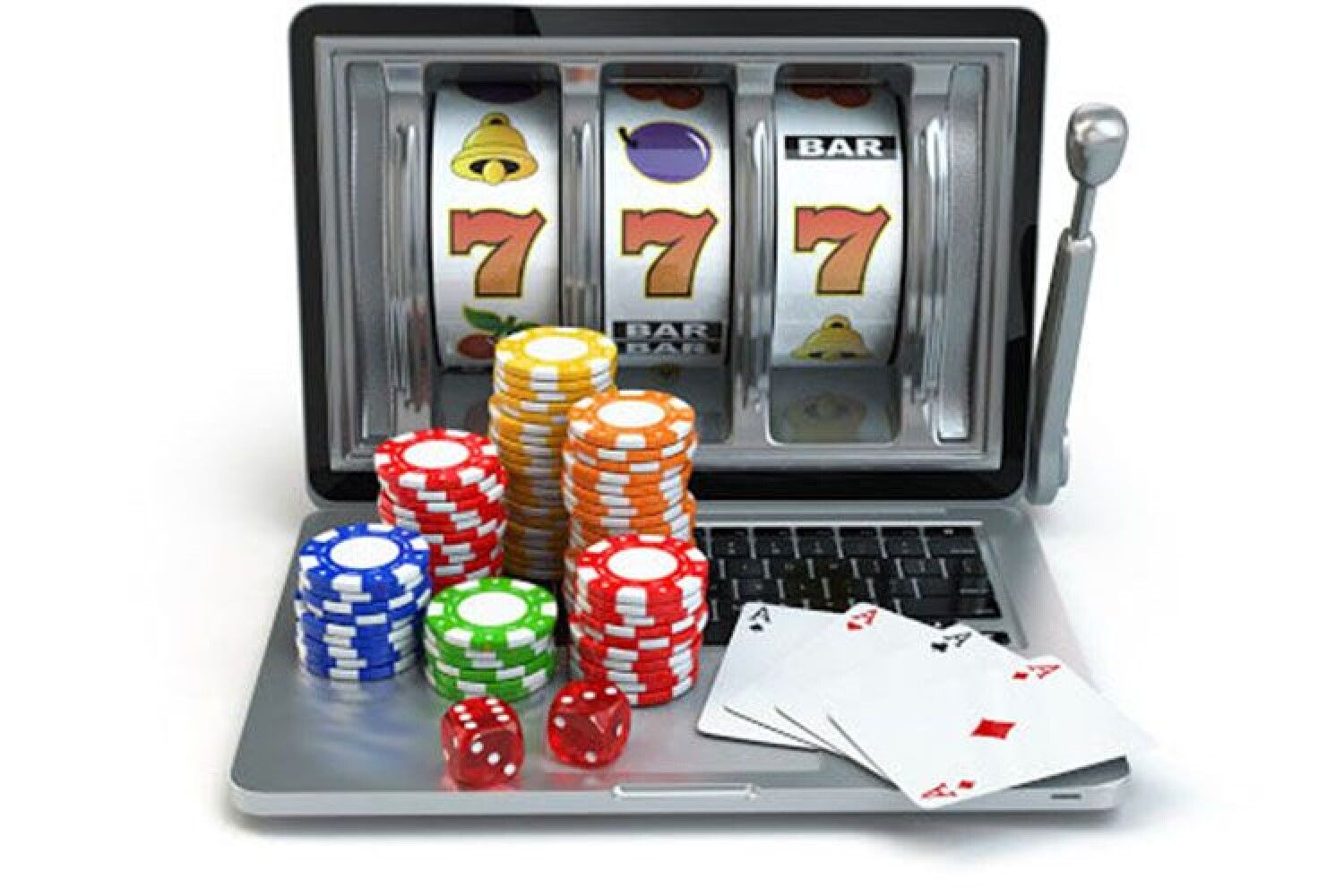
Exploring Resources for Safe Gambling Practices
For those who enjoy gambling as a form of entertainment, understanding safe gambling practices is essential. Responsible gambling involves setting limits on time and money spent, recognizing when to stop, and being aware of the signs of problematic behavior. Resources are available to help individuals develop these skills and promote safer gaming experiences.
Our website is dedicated to providing essential insights into gambling, focusing on safe practices and responsible gaming. We curate resources and information that can aid individuals in making informed decisions while enjoying their gaming experiences. By prioritizing mental health and recognizing the potential risks, we aim to foster a healthier gambling environment for everyone.
Articles similaires
- Cultural perspectives on gambling Unpacking how casino olymp influences beliefs and behaviors
- Master responsible gambling Essential tips for every player using JetX Game
- Understanding the psychology of risk in gambling behavior
- The psychology behind winning strategies in casinos
- Navigating the evolving legal landscape of gambling regulations